The Importance of a Strong Portfolio for NID Aspirants
5/1/20264 min read
Why Your Portfolio Matters in NID,NIFT,UCCED.
For aspirants aiming to gain admission into the National Institute of Design (NID), a well-curated portfolio serves as an essential component of their application. This collection of work not only showcases a student's artistic abilities but also reflects their thinking process, creativity, and problem-solving aptitude. In a highly competitive selection environment like NID, where numerous candidates vie for limited spots, the importance of a strong portfolio cannot be overstated.
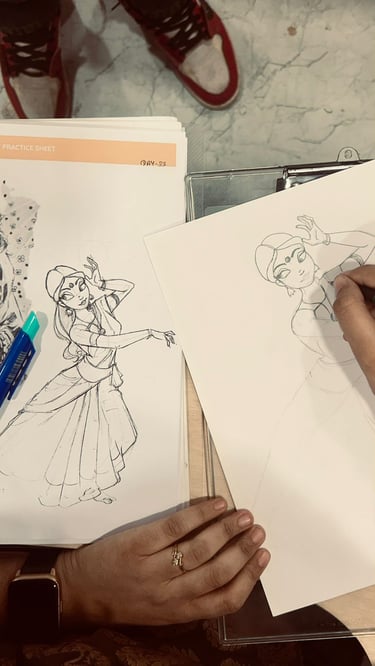
A compelling portfolio provides insights into the applicant's unique perspective, highlighting their ability to approach design challenges thoughtfully. For instance, showcasing diverse projects can demonstrate versatility and adaptability. Whether it is graphic design, industrial design, or textile design, presenting varied projects enables aspirants to illustrate their range of skills and innovative thinking. It is not merely about displaying finished products; rather, it is equally critical to incorporate sketches, prototypes, and conceptual explorations that showcase the evolution of ideas from inception to finalization.
Moreover, a strong portfolio can convey a candidate's critical thinking skills. For example, a project that integrates user research, iterative design processes, and feedback adjustments illustrates not only creativity but also the ability to engage in reflective practice. Projects that tackle real-world problems or social issues further enhance the portfolio's impact by demonstrating the aspirant's commitment to advancing meaningful design. As such, the portfolio becomes a narrative that encapsulates a student’s journey in design thinking, making them stand out in the eyes of the selection committee.
Ultimately, NID aspirants must recognize that their portfolio is a powerful tool that can make a significant difference in the admission process. It is a testament to their hard work, originality, and effectiveness in communicating ideas visually and conceptually, which are fundamental attributes of a successful designer.
The Dot Design Pre-School: A New Leader in NID Coaching
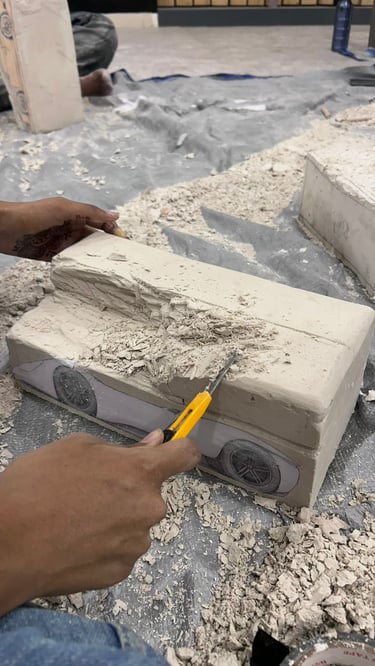
The Dot Design Pre-School has emerged as a prominent name in NID coaching, particularly in Nashik, offering a unique blend of traditional education combined with modern design practices. The institution emphasizes studio-based, hands-on learning, which not only encourages creativity but also nurtures practical experience among its students. This approach is vital for NID aspirants, as it provides them with the skills necessary to thrive in competitive design environments.
A key feature of The Dot Design Pre-School is its focus on building a robust portfolio. Students engage in various projects that highlight their skills in UI/UX design, 3D design, and design thinking. Each project acts as an opportunity for learners to apply their theoretical knowledge in real-world contexts, helping them to curate a portfolio that stands out. This hands-on experience is essential in a field where practical skills are as important as academic knowledge.
Moreover, The Dot Design Pre-School believes in the significance of personalized mentorship. Each student is paired with experienced mentors who are dedicated to fostering individual growth and creativity. This one-on-one guidance allows students to receive tailored advice on their work, encouraging them to explore innovative ideas and develop their unique design voice. The mentorship program not only enhances skill acquisition but also builds confidence, which is crucial for success in the competitive landscape of design.
Through its focus on practical experience, portfolio development, and personalized mentorship, The Dot Design Pre-School is setting new standards in NID coaching, ensuring that students are well-prepared for their creative journeys ahead.
Building Competencies Beyond Traditional Coaching
In the landscape of design education, the emphasis has often been primarily on theoretical knowledge and exam preparation. However, this traditional coaching methodology falls short in fostering the essential competencies required for a successful career in design. In contrast, The Dot adopts a more progressive approach that transcends merely preparing students for examinations. It aims to cultivate both the practical skills and the creative mindset that are critical for today’s design professionals.
This holistic educational model places significant importance on innovative thinking and problem-solving abilities. By engaging in real-world projects and collaborative tasks, students are exposed to the complexities of actual design challenges. This experience is instrumental in developing their critical thinking capabilities, allowing them to approach problems from multiple angles and devise effective solutions. The process encourages learners to break out of conventional molds and to embrace unique perspectives that can lead to innovative design outcomes.
The outcome of this integrative learning approach is a portfolio that conveys not just technical proficiency, but also a dynamic creative process and distinctive thought leadership. By participating in diverse projects, students learn to adapt their skills and redefine design problems creatively. They become well-equipped to tackle the demands of the industry, reflecting a professional readiness that goes beyond mere academic qualifications.
Such an education model raises the bar for career prospects significantly. When prospective employers evaluate candidates, they often look for a robust portfolio that showcases not only artistic talent but also the ability to think critically and adaptively. Thus, students immersed in this holistic learning environment are much more likely to attract the attention of hiring managers and secure fulfilling positions in their respective fields.
Making an Informed Choice for Your Design Career
In the realm of design, a strong portfolio is absolutely crucial, especially for aspirants targeting prestigious institutions such as the National Institute of Design (NID). Throughout this discussion, we have emphasized how the right coaching environment can significantly impact your creative journey and personal development. As aspiring designers, it is essential to surround yourselves with supportive mentors and peers who can help cultivate your unique artistic voice.
Taking your design career seriously starts with proactive steps toward portfolio development. This is not merely about assembling a collection of past work; instead, it involves a thoughtful process of showcasing your skills, conceptual understanding, and creative thought processes. Starting early enables you to delve into various design projects that not only enhance your technical abilities but also express your individual style and perspective. The importance of this preparation cannot be overstated, as a well-organized portfolio is fundamental when applying to institutions like NID.
As you reflect on the next steps in your design journey, consider seeking guidance and mentorship that align with your aspirations. Engaging with experienced coaches or educators can provide valuable insights and constructive feedback, equipping you with the knowledge needed to create an outstanding portfolio. This supportive framework can serve as a catalyst for your growth, allowing you to navigate the competitive landscape of design with confidence.
In conclusion, the choices you make today regarding your coaching and portfolio development will significantly influence your future in design. Embrace the process, invest your time and energy, and allow your creativity to flourish. The journey ahead holds vast potential, and with the right preparations, your design career can soar to new heights.